
"affordable Brazilian coffee"
200 article(s) found

Is there any way to wash coffee beans? is Brazilian coffee washed with water?
Brazilian coffee fields are endless and are mostly harvested mechanically in order to meet the economic benefits. When 75% of the coffee fruit in the coffee garden turns red, mechanical harvesting is started, followed by the same pre-washing operation, which is moved into the sink to remove floating beans, sift out the sunken beans, and then use a large pulp screening machine to dig out the pulp and remove the pods covered with pectin. The next stage is separated from the washing method: sticky.

Introduction of Kenyan coffee beans
Kenya is bordered to the north by Ethiopia, the origin of Arabica coffee trees, but it was not until the beginning of the 20th century that coffee cultivation began. In the 19th century, missionaries introduced Arabica trees from the leaves, but did not plant them in large quantities. It was not until 1893 that coffee was cultivated on a large scale because of the introduction of Brazil's ancient bourbon seeds. That is to say, Kenyan coffee is of Brazilian origin, because of water.

Ala derived Brazilian Kaduai Mundo Novo has an elegant and meticulous finish, long and multi-layered taste.
Professional coffee knowledge exchange more coffee bean information please follow Coffee Workshop (Wechat official account cafe_style) Mundo Novo New World, is a natural mating between Bourbon Bourbon and Sumatra Tibica Typica. Planted at high altitude, it has the characteristics of tolerance to high altitude climate, high immunity, resistance to diseases and insect pests, dense growth and planting, high yield and good flavor quality. Most

Introduction to the price characteristics of Brazilian Arabica ground coffee Robusta
Introduction to the price characteristics of Brazilian Arabica ground coffee Robusta, if you want to ask the country or region that loves Robbins most in the world, the first place is the hometown of espresso "Italy"! To narrow it down further, to be precise, the largest use of robusta beans is in southern Italy, such as Palermo and Sicilia.

Flavor description of Kam Chu Valley Coffee Bean in Kenya
The flavor description of coffee beans in Jinchu Valley, Kenya, the characteristics of the varieties. In the 19th century, missionaries introduced Arabica trees from the leaves, but they did not plant a large number of them. It was not until 1893, when the ancient Brazilian bourbon seeds were introduced, that coffee was cultivated on a large scale. That is to say, Kenyan coffee has Brazilian ancestry. Due to differences in water, climate and handling methods, Kenyan beans are popular.

Introduction to Brazilian coffee with low altitude, soft texture and no obvious sour taste
There are two types of coffee farms in Kenya. one is a large planting farm that covers an area of more than five acres, but the average elevation is low. In the case of Kenyan coffee, the coffee beans of the large farms are of medium quality. The best Kenya beans are produced in small farms, most of which are located in the foothills or volcanic slopes above 5,000 to 6,000 feet. Each small farmer has a capacity of only 20 to 70 bags per season and is unable to invest.

Ethiopia, the coffee bean producing area of Kenya, which is grown on volcanic slopes.
Kenya is bordered to the north by Ethiopia, the origin of Arabica coffee trees, but it was not until the beginning of the 20th century that coffee cultivation began. In the 19th century, missionaries introduced Arabica trees from the leaves, but did not plant them in large quantities. It was not until 1893 that coffee was cultivated on a large scale because of the introduction of Brazil's ancient bourbon seeds. That is to say, Kenyan coffee is of Brazilian origin.

What are the taste and flavor characteristics of Brazilian coffee sirado? How to Hand Make Brazilian Café
Professional coffee knowledge exchange More coffee bean information Please pay attention to coffee workshop (Weixin Official Accounts cafe_style) Brazilian coffee Xilado taste and flavor characteristics? How to hand brew coffee beans from Brazilian sirado region? Produced in 8501200 meters above sea level grassland, the annual average temperature of 20 degrees, dry and wet seasons and comfortable low temperature to form a unique flavor of this bean. Cerrad

Introduction to the Coffee growing Environment of Kopi Luwak Manor-Fuyin Manor
St. Helena Island, located about 1200 kilometers off the coast of Africa, where you will find the cultivation and cultivation of St. Helena coffee. Napoleon Bonaparte sowed his own coffee on St. Helena. If you can afford St. Helena coffee for $79 a pound, you should try its unique taste. The ten most expensive coffee in the world. Guatemalan manor coffee is produced at $50 per pound.
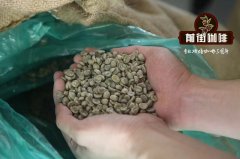
Which brand of Brazilian coffee beans is good? Brazilian coffee brand export mode Brazilian coffee pilao?
Professional coffee knowledge exchange more coffee bean information please follow the coffee workshop (Wechat official account cafe_style) first of all, there are two main kinds of coffee beans in Brazil, Arabica arbica and Robusta robusta. 1. Arabica species (caf arbica) Arabica species, that is, small seed species. The country of origin is the Ethiopian plateau, and coffee was used for a long time before the 15th century.

Introduction to the treatment methods of Coffee beans
Brazilian half-sun-natural removal of pectin: Brazil used to use the sun method in the past, the quality varies greatly, so that Brazil Yu is synonymous with middle and lower quality. However, in order to improve its quality and reverse its image, the world's largest coffee producer carried out a quality revolution in the 1990s and vigorously promoted the global half-sun method. Brazilian coffee fields are endless and are mostly harvested mechanically to conform to the classics.
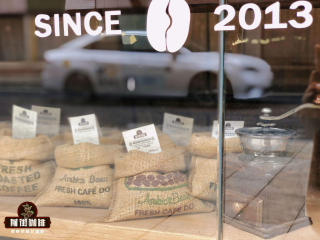
Historical stories of main producing areas of Brazilian Coffee beans which brand tastes good
Professional coffee knowledge exchange more coffee bean information please follow the coffee workshop (Wechat official account cafe_style) Brazil, of which seven states have the largest production, accounting for 98% of the country's total output. Sao Paulo State (Mogiana, Centro-Oeste) Parana State (No

Kenyan Coffee Features Kenyan Coffee Flavors
Kenya coffee is mostly grown at altitudes of 1500- 2100 meters and harvested twice a year. Its main characteristic is the distinct fruit fragrance, the common fruit fragrance is citrus. Kenya coffee has a multi-layered taste and juice acidity, perfect grapefruit and wine flavors, moderate body, and is a favorite of many coffee industry insiders. Kenya Coffee Borrow Hollywood Movies

The international market for coffee is in the doldrums, coffee farmers in Brazil and Vietnam are unable to sell it, and Arabica has also dropped its price this year.
Due to the downturn in the international market for coffee, coffee farmers in Vietnam and Brazil are generally unable to sell coffee despite bumper harvests, in order to resist the downward pressure of prices, and the dream of bears may be dashed. The international market for Robusta coffee has fallen 17% this year, and coffee farmers in Vietnam's main growing region, Dole province, are generally reluctant to sell until after the Lunar New year. The price of Arabica coffee has also fallen by 8% this year, so Brazilian coffee farmers

Introduction to the flavor of Kenyan coffee
Kenyan coffee is aromatic, full-bodied and fruity with a rich and perfect taste. Kenyan coffee has a wonderful fruit flavor, tastes like BlackBerry and grapefruit, and is a favorite of many coffee gluttons. This coffee has an excellent medium purity, crisp and refreshing taste. It has a fresh flavor and is most suitable for drinking iced coffee in summer. Taste this.

Kenyan Coffee Origin Esopia Coffee production area introduces boutique coffee
Kenya is bordered to the north by Ethiopia, the origin of Arabica coffee trees, but it was not until the beginning of the 20th century that coffee cultivation began. In the 19th century, missionaries introduced Arabica trees from the leaves, but did not plant them in large quantities. It was not until 1893 that coffee was cultivated on a large scale because of the introduction of Brazil's ancient bourbon seeds. That is to say, Kenyan coffee is of Brazilian origin, because of water.

Kenyan coffee is characterized by distinct fruity aromas, citrus aromas, perfect grapefruit and wine flavors.
There are two types of coffee farms in Kenya. One is a large plantation that covers an area of more than five acres, but the average elevation is low. In the case of Kenyan coffee, the coffee beans of the large farms are of medium quality. The best Kenyan beans come from small farms, most of which are located in the foothills or volcanic slopes above 5,000 to 6,000 feet. Each small farmer has a capacity of only 20 to 70 bags per season.
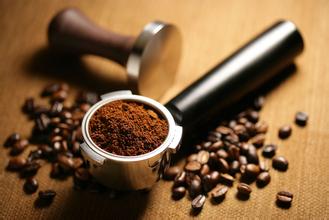
Kenya Coffee introduces Flavor
Kenya is bordered to the north by Ethiopia, the origin of Arabica coffee trees, but it was not until the beginning of the 20th century that coffee cultivation began. In the 19th century, missionaries introduced Arabica trees from the leaves, but did not plant them in large quantities. It was not until 1893 that coffee was cultivated on a large scale because of the introduction of Brazil's ancient bourbon seeds. That is to say, Kenyan coffee is of Brazilian origin, because of water.
Introduction to the flavor and taste characteristics of Brazilian coffee beans | the output of historical stories in Brazilian coffee producing areas ranks first in the world.
Professional coffee knowledge exchange more coffee bean information please follow the coffee workshop (Wechat official account cafe_style) front street-Brazilian Coffee introduction Coffee was introduced to Brazil from French Guiana in the 1720s, a Portuguese captain Francesco Paletta from Brazil, captured the French at that time

Introduction to the flavor of Kenyan coffee
Kenya Coffee Kenya Coffee Kenya is the origin of Arabica coffee trees in Kenya, but it was not until the beginning of the 20th century that coffee cultivation began. Missionaries introduced Arabica trees from the leaves in the 19th century, but did not plant them in large quantities. It was not until 1893 that coffee was cultivated on a large scale after the introduction of Brazil's ancient bourbon seeds.